9 Careers You Can Train for in About Two Years or Less
Short training does not mean easy work. Here is what nine fast-entry occupations involve day to day, how people get in, and who tends to thrive or struggle in each.
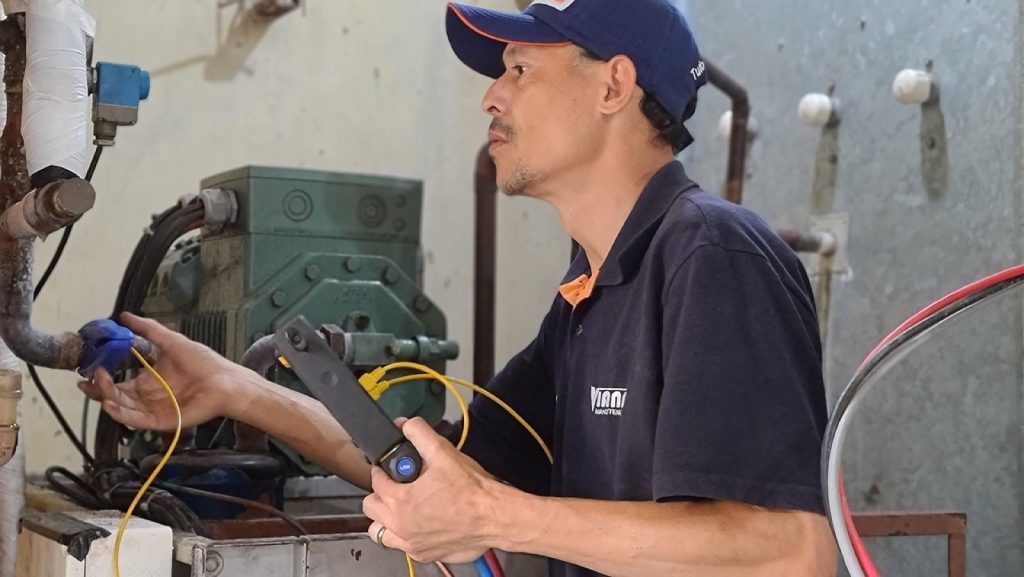
A common misconception: if a job only takes a year or two to train for, it must be a fallback. In practice, several of the occupations below pay solidly, carry real responsibility for other people’s health or safety, and are hard to outsource. What they share is not low stakes. It is a short, structured on-ramp, which matters a lot if you are changing careers and cannot afford four years without a paycheck.
For each of the nine occupations, you will find what the work is like, the usual training route, licensing or certification notes, the physical and schedule realities, and a quick fit check. Pay and growth figures come from the U.S. Bureau of Labor Statistics Occupational Outlook Handbook (OOH): median pay is from May 2025 and projections cover 2025 to 2035. A median means half of workers earned more and half earned less; your local pay may be quite different. For comparison, BLS projects 3 percent growth across all occupations over the same decade.
Two entries stretch the “two years” line, and we say so where they do. Accuracy beats a tidy headline.
| Occupation | Typical route | Median pay | Growth |
|---|---|---|---|
| Phlebotomist | Program, often under 1 year | $45,230 | 7% |
| Medical assistant | Certificate or associate, 1-2 years | $45,690 | 13% |
| Truck driver (CDL) | Driving school, 3-6 months | $58,640 | 4% |
| LPN / LVN | State-approved program, about 1 year | $64,400 | 3% |
| HVAC technician | Program, 6 months-2 years | $61,010 | 11% |
| Welder | Technical training or apprenticeship | $53,750 | 2% |
| Computer user support | Some college or certifications | $61,860 | -3% |
| Respiratory therapist | Associate degree | $82,280 | 9% |
| Dental hygienist | Associate degree, usually 3 years | $98,100 | 8% |
Healthcare
Phlebotomist
The work: Drawing blood for tests, donations and transfusions, then labeling and tracking samples so nothing gets mixed up. Much of the job is calming nervous patients and finding veins on people who are dehydrated, elderly or frightened of needles.
Training: BLS says phlebotomists typically complete a postsecondary program, which usually takes less than 1 year, though some employers hire with a high school diploma and train on the job.
Licensing and certification: Some states require an accredited program, a license or a certification; many employers prefer a professional certification either way. Check your state’s rules with CareerOneStop’s License Finder.
Physical and schedule: Long stretches on your feet. Hospital and lab jobs can include nights, weekends and holidays.
Good fit if you want the fastest credible entry into healthcare, possibly as a first step toward a lab or nursing role. Think twice if blood, needles or upset patients unsettle you. BLS OOH: Phlebotomists
Medical assistant
The work: A mix of front office and clinical tasks in a doctor’s office or clinic: checking patients in, recording vital signs and history, preparing exam rooms, helping with exams and keeping records. The balance between paperwork and patient care varies by employer.
Training: Many complete a certificate or associate degree program that usually takes 1 to 2 years. Some enter with a high school diploma and learn on the job.
Licensing and certification: Most states do not require certification, though some have their own rules, and many employers prefer or require it.
Physical and schedule: Mostly full time, largely in physicians’ offices with weekday hours, though facilities open around the clock may need evening, weekend or holiday shifts.
Good fit if you like variety and want patient contact without the responsibility of a licensed nurse. Think twice if you want a role with a long built-in pay ladder; advancing often means more training. BLS OOH: Medical Assistants
Licensed practical or vocational nurse (LPN/LVN)
The work: Basic nursing care under the direction of registered nurses and doctors: monitoring patients, changing dressings, helping with bathing and dressing, recording care and, depending on the state, giving some medications. Much of the work happens in nursing and residential care facilities.
Training: A state-approved program that typically takes about 1 year, often at a community college or technical school.
Licensing: Required. Graduates must pass a licensing exam, the NCLEX-PN, and meet their state’s requirements.
Physical and schedule: Lifting and moving patients, lots of standing. Nights, weekends, holidays and shifts longer than 8 hours are common.
Good fit if you want hands-on nursing quickly and might later bridge to a registered nursing program. Think twice if you need a predictable weekday schedule or have a back or joint problem. BLS OOH: LPNs and LVNs
Respiratory therapist
The work: Caring for people who have trouble breathing, from premature infants to older adults with chronic lung disease and patients on ventilators. Therapists run diagnostic tests, manage breathing equipment and respond in emergencies.
Training: An associate degree from an accredited respiratory therapy program is typical; some employers prefer a bachelor’s.
Licensing and certification: BLS reports licensure is required in every state except Alaska. There are two credential levels: Certified Respiratory Therapist (CRT) and, after another exam, Registered Respiratory Therapist (RRT). Some employers require the RRT.
Physical and schedule: Most work in hospitals, so expect long shifts on your feet, plus nights, weekends and holidays, and some high-pressure emergency work.
Good fit if you are comfortable with science coursework and want a clinical role with strong pay for a two-year degree. Think twice if you find intensive care settings or end-of-life situations hard to carry home. BLS OOH: Respiratory Therapists
Dental hygienist (the longer one)
The work: Cleaning teeth, examining patients for signs of oral disease, taking X-rays and teaching patients how to care for their teeth. Nearly all hygienists work in dentists’ offices.
Training: An associate degree in dental hygiene is typical, but BLS notes these programs usually take 3 years, so this one runs past our two-year line. Programs can be competitive and often have science prerequisites.
Licensing: Every state requires a license, usually including a degree from an accredited program plus written and clinical exams. Continuing education is required to keep it.
Physical and schedule: Detailed close-up work that can strain the neck, back and hands. Many hygienists work part time, sometimes for more than one dentist, which can be a plus for flexibility.
Good fit if you want a regular daytime schedule and high pay for an associate-level credential. Think twice if you need to be earning within a year, or if repetitive fine-motor work tires you. BLS OOH: Dental Hygienists
Skilled trades and transportation
HVAC technician
The work: Installing, maintaining and repairing heating, ventilation, air conditioning and refrigeration systems in homes and commercial buildings. It mixes mechanical, electrical and diagnostic work, plus a fair amount of customer conversation.
Training: Trade school and community college programs typically run 6 months to 2 years. Some people enter through an apprenticeship instead, which usually lasts several years but pays you while you learn; see how apprenticeships work. Either way, expect a lengthy period of on-the-job learning.
Licensing and certification: The EPA requires Section 608 certification for technicians who handle refrigerants, and some states and cities require a license.
Physical and schedule: Cramped spaces, attics, rooftops and extreme temperatures. BLS notes one of the highest injury and illness rates of all occupations. Overtime and on-call work during peak seasons are common.
Good fit if you like solving mechanical puzzles and want work that is hard to automate. Think twice if heat, heights or tight crawlspaces are a problem for you. BLS OOH: HVACR Mechanics and Installers
Welder
The work: Joining or cutting metal parts in manufacturing, construction, shipbuilding and repair. Different processes and positions take real practice, and skilled welders often specialize.
Training: BLS lists a high school diploma as the typical entry education, with technical training available through vocational schools, community colleges, private welding schools and the military. Employer apprenticeships also exist. Expect several months of on-the-job training even after a program.
Licensing and certification: Some employers require general or job-specific certification from a professional organization, and some states and localities license welders.
Physical and schedule: Fumes, heat, intense light, heavy lifting and awkward positions, sometimes outdoors or at height. Many manufacturers run multiple shifts, so evenings and weekends are common.
Good fit if you like precise, hands-on work and visible results. Think twice if you have respiratory issues. Note that BLS projects slower than average growth (2 percent), though it still expects about 40,300 openings a year, mostly from people retiring or leaving. BLS OOH: Welders
Heavy and tractor-trailer truck driver
The work: Moving goods over long distances or regional routes, inspecting the truck, logging hours and sometimes loading and unloading cargo.
Training: Truck driving school, at a private school or community college, typically takes 3 to 6 months, followed by several weeks with a mentor driver once hired.
Licensing: A commercial driver’s license (CDL) is required. Since February 7, 2022, the Federal Motor Carrier Safety Administration has required most first-time CDL applicants to complete entry-level training from a provider on its Training Provider Registry. CDL holders also face regular medical exams and random drug and alcohol testing.
Physical and schedule: Long-haul driving can mean days or weeks away from home, often alone. Federal hours-of-service rules limit how long you drive, but nights, weekends and holidays are normal, and BLS reports a high injury rate.
Good fit if you like independence and want one of the quickest routes to a full-time paycheck. Think twice if you are a primary caregiver at home; look at local or regional routes instead. BLS OOH: Heavy and Tractor-trailer Truck Drivers
Technology
Computer support specialist
The work: Helping people and organizations with computer problems, either as a user support specialist (the help desk) or a network support specialist who keeps systems running.
Training: This route varies more than any other here. BLS says user support roles typically need some college courses, and some require only computer knowledge plus certifications; network support roles typically need an associate degree. Many people enter with vendor or vendor-neutral certifications.
Licensing and certification: No license. Certifications matter, and employers often want them in the specific products they use.
Physical and schedule: Desk work, sometimes remote. Support may be needed around the clock, so nights and weekends happen.
Good fit if you are patient, curious and good at explaining things to frustrated people. Think twice if you are counting on fast job growth: BLS projects user support employment to decline 3 percent from 2025 to 2035, so plan on building skills that move you toward network, security or systems work. Median pay in May 2025 was $61,860 for user support and $76,220 for network support. BLS OOH: Computer Support Specialists
Before you choose one
A profile is a starting point. Before enrolling anywhere, talk to someone who does the job, check your own state’s licensing rules, and confirm the program you are considering leads to the credential employers in your area expect. Our guide on how to vet a school or program covers what to look for, and certificates, certifications and licenses explains which kind of credential each job needs.
About this guide
First published . Last reviewed . This is general information, not advice for your situation. Where details depend on your circumstances, check with the school, the agency, or a qualified professional.
Facts in this guide that change over time (5)
- All median pay figures are BLS OOH May 2025 data; re-check when BLS publishes May 2026 data
- All employment projections are BLS OOH 2025-35; re-check at next projections release
- BLS average growth for all occupations (3 percent, 2025-35)
- Dental hygiene program length (usually 3 years per BLS OOH)
- Truck driving school length (3 to 6 months per BLS OOH) and FMCSA entry-level driver training rule (in effect since February 7, 2022)
We re-check these at least once a year and whenever the rules change. Spotted something out of date? Tell us.
Sources
- BLS OOH — Medical Assistants
- BLS OOH — Phlebotomists
- BLS OOH — Licensed Practical and Licensed Vocational Nurses
- BLS OOH — Dental Hygienists
- BLS OOH — Respiratory Therapists
- BLS OOH — Heating, Air Conditioning, and Refrigeration Mechanics and Installers
- BLS OOH — Welders, Cutters, Solderers, and Brazers
- BLS OOH — Heavy and Tractor-trailer Truck Drivers
- BLS OOH — Computer Support Specialists
- U.S. EPA — Section 608 Technician Certification
- FMCSA — Training Provider Registry launch (entry-level driver training)
- CareerOneStop — License Finder